
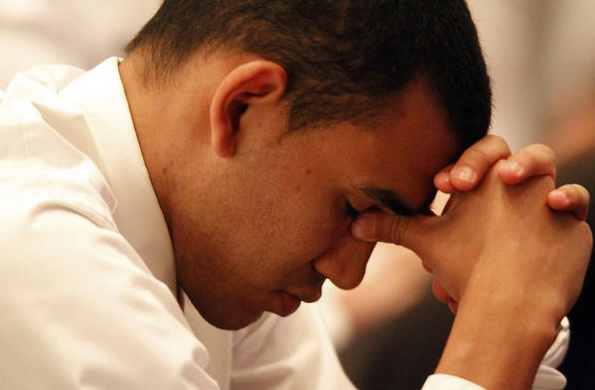
Lately I’ve been doing a lot of reading and writing on the subject of knowing God. There are three aspects of this topic that consistently stand out for me. First, to know God, you must receive that knowledge through the Holy Ghost, not from other people. Secondly, you have to spend time learning about and talking to God. Third, to know God you have to obey Him.
I read a wonderful talk this morning on the subject of knowing God. Entitled “Knowing God,” It was given in April 1972 by Bernard P. Broadbank at general conference. He shared several Bible scriptures that explain how to know God:
“And hereby we do know that we know him, if we keep his commandments.
“He that saith, I know him, and keepeth not his commandments, is a liar, and the truth is not in him.
“But whoso keepeth his word, in him verily is the love of God perfected: hereby know we that we are in him.
“He that saith he abideth in him ought himself also so to walk, even as he walked.” (1 John 2:3–6.)
The apostle James said:
“Thou believest that there is one God; thou doest well: the devils also believe, and tremble” (James 2:19).
And what Elder Brockbank said just before sharing these scriptures really caught my attention:
“We can receive eternal life and salvation from knowing the only true God and Jesus Christ, whom he has sent. Many believe that there is a God, many say that they know there is a God, but many do not act like they know God. There is a great difference in believing or knowing that there is a God and in knowing God. When we claim that we know God, it bears great responsibility, and an apostle has given us information to check our knowledge of God.”
I found that to be a very powerful statement to note that many people who say they believe in God don’t act on that belief and that this is because they don’t really know God personally. Knowing God requires work and sacrifice on our part. We can’t just say a few words and move on with our ordinary life. Knowing God is life-changing—eternity-changing, even. We cannot have a loving and personal relationship with God and continue to live the way we did before we knew Him.
This, I believe, is because if we really know God, we know how much He loves us and how intensely He wants us to have a successful “mission” on Earth. We know He knows everything and so we know that if we do what God instructs us to do, everything will go as well as possible. You can’t eliminate all trials, of course—trials help us to grow and to appreciate the good—but we can eliminate the unnecessary ones and we can become a person worthy to stand in God’s presence someday. Elder Brockbank explained:
“Knowing God does not solve life’s problems, but gives purpose and strength to master them. Jesus, with his knowledge of his Heavenly Father, still had his problems to meet and to work out.
The answers to knowing God the Eternal Father are found in and through Jesus Christ. Jesus said, ‘I am the way, the truth, and the life: no man cometh unto the Father, but by me’ (John 14:6).”
 The Bible lists many commandments and makes it completely clear they must be obeyed. They are, Jesus said, a demonstration of our love for Him. As our relationship with God grows, obedience becomes easier and easier. What once seemed challenging is now seen as a blessing because we have seen the good it did in our lives and we have a stronger desire to honor God’s requests. The more we love someone, the easier it is to serve them — and this is especially true in terms of our love for God.
For an enlightening discussion of how we can learn to know God—really know Him—read the entire talk or watch the video, which is shown at the top of the linked page.

The late Terrie Lynn Bittner—beloved wife, mother, grandmother, and friend—was the author of two homeschooling books and numerous articles, including several that appeared in Latter-day Saint magazines. She became a member of the Church at the age of 17 and began sharing her faith online in 1992.



I enjoyed what you said about avoiding unnecessary trials, in other words trials that we bring upon ourselves. That means a lot to me because we all make mistakes and have to deal with the natural consequences of those mistakes. It isn’t about whether it is fair or not, it is simply justice. I also liked that you emphasized the importance of our own contribution to the relationship with our heavenly father. We have to want a relationship and connection with him in order to ever have one. It is very much like revelation in that it takes both parties to comply in order for the end to be achieved.
Thanks, Emma, for your visit and comment. It’s true that the doors to communion and relationship with God are wide open, should we choose to go there and walk through in prayer. Also true that mistakes occur which affect each of us, and consequences sometimes affect those who are innocent, but are always worked out to outcomes that are eternally good, even if the acts themselves were not.