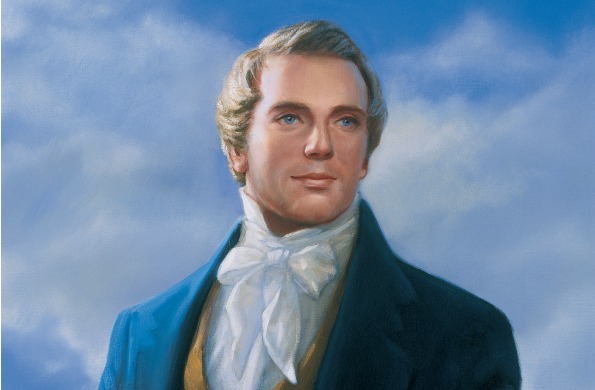
Could Mitt Romney Be the Next Mormon Prophet?

November 13, 2012 by · Leave a Comment
Filed under: Political Leaders, Prophets 

When Mitt Romney was not chosen to be the president of the United States, many reporters began wondering if he would now be offered the job of President of the Mormons in order to capitalize on his fame.

The Mormon White Horse Prophecy

A Personal Response

Mormon Hymn: Who’s On the Lord’s Side?

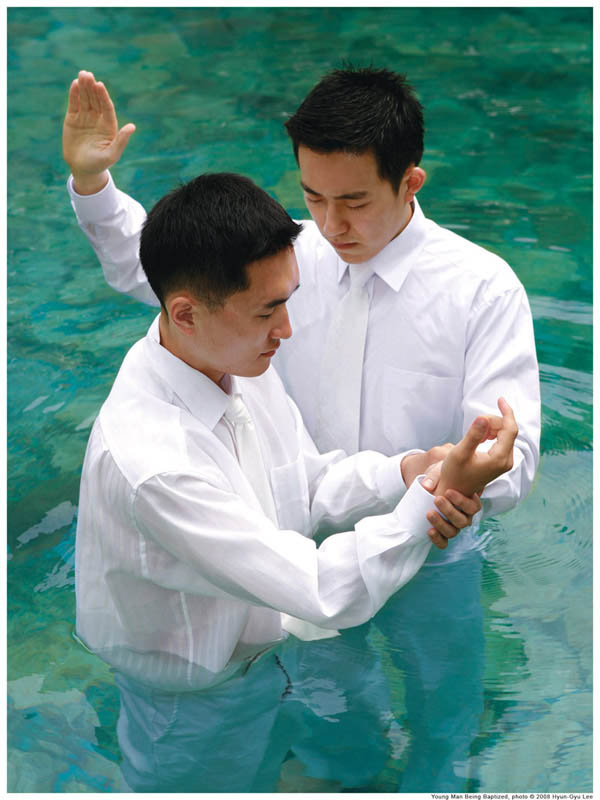
In 1852, when Hannah Last Cornaby was baptized, she and her husband had to enter the church building through a volley of stones being thrown at them by a screaming mob. She did not turn back. She bravely pushed through the mob, coping with the rocks and insults and allowed her husband to baptize her. Perhaps this event motivated her to later write the LDS hymn, “Who’s On the Lord’s Side?”

Mormons follow the prophet to follow God.

Who’s on the Lord’s side? Who?

Now is the time to show.

We ask it fearlessly:

Who’s on the Lord’s side? Who?

(“Who’s on the Lord’s Side?” Hymns, no. 260)

Hannah didn’t just choose the Lord’s side when it was easy or popular. She chose it when her very life was in danger. She left her home in England for it and endured many hardships with good humor for it. Hannah chose the Lord’s side.

Today, there are many forces trying to get us to choose the other side. Secular forces try to convince us it is old-fashioned to be on the Lord’s side. Political parties urge loyalty to them over the gospel. Media mocks the Lord’s side on a regular basis. This is reminiscent of a story in the Book of Mormon about a prophet named Lehi. Read more

What Can a Mormon Prophet Receive Revelation About?

November 20, 2010 by · Leave a Comment
Filed under: Prophets 

This is the eighth installment in a series of articles on Mormon prophets. The series is based on a talk given by Ezra Taft Benson, who was then a Mormon apostle. In the article, he outlines Fourteen Fundamentals in Following the Prophet.

In this article, we are combining four points about following a Mormon prophet that often lead to controversy and debate. These points are:

Ninth: The prophet can receive revelation on any matter—temporal or spiritual.

Tenth: The prophet may well advise on civic matters.

Eleventh: The two groups who have the greatest difficulty in following the prophet are the proud who are learned and the proud who are rich.

Twelfth: The prophet will not necessarily be popular with the world or the worldly. Read more

Mormon Prophets Teach God’s Values–Not Man’s

This is the seventh installment in a series of articles on Mormon prophets. The series is based on a talk given by Ezra Taft Benson, who was then a Mormon apostle. In the article, he outlines Fourteen Fundamentals in Following the Prophet.

In this article, we are combining the next three points about following a Mormon prophet. They are combined because they are often related in terms of how people react to the teachings of a prophet. These three points are:

6. The prophet does not have to say “Thus Saith the Lord,” to give us scripture.

7. The prophet tells us what we need to know, not always what we want to know.

8. The prophet is not limited by men’s reasoning. Read more

What Are the Qualifications to be a Mormon Prophet?

November 5, 2010 by · 1 Comment
Filed under: Prophets 

Ezra Taft Benson, Mormon Prophet

This is the sixth installment in a series of articles on Mormon prophets. The series is based on a talk given by Ezra Taft Benson, who was then a Mormon apostle. In the article, he outlines Fourteen Fundamentals in Following the Prophet.

The fifth principle Elder Benson teaches is: The prophet is not required to have any particular earthly training or diplomas to speak on any subject or act on any matter at any time.

Many churches require their religious leaders to have a degree from a ministerial program. However, the Mormons are a lay church. No one sets out to become the Mormon prophet or even the bishop. Positions are filled without pay. Except at the highest levels, the positions are normally held for a small number of years. Apostles retain their positions for life once called (chosen.) Read more

The Mormon Prophet Will Not Lead Mormons Astray

November 2, 2010 by · Leave a Comment
Filed under: Prophets 

This is the fifth installment in a series of articles on Mormon prophets. The series is based on a talk given by Ezra Taft Benson, who was then a Mormon apostle. In the article, he outlines Fourteen Fundamentals in Following the Prophet.

The fourth principle Elder Benson teaches is: Fourth: The prophet will never lead the Church astray.

When people hear Mormons say this, they sometimes like to play the “What if” game: What if  the prophet tells you to rob a bank? What if the prophet tells you to commit suicide? The game demonstrates a lack of understanding of a very important principle in Mormon beliefs: the principle of personal revelation. Read more

Living Prophets

October 26, 2010 by · Leave a Comment
Filed under: Prophets 

This is the fourth installment in a series of articles on Mormon prophets. The series is based on a talk given by Ezra Taft Benson, who was then a Mormon apostle. In the article, he outlines Fourteen Fundamentals in Following the Prophet.

The third principle Elder Benson teaches is: The living prophet is more important to us than a dead prophet. Read more

Mormon Prophets and Mormon Scriptures

This is the third installment in a series of articles on Mormon prophets. The series is based on a talk given by Ezra Taft

Mormons believe in the Bible and the Book of Mormon

Mormon girl studying the Bible

Benson, who was then a Mormon apostle. In the article, he outlines Fourteen Fundamentals in Following the Prophet. The second principle is: The living prophet is more vital to us than the Standard Works. The standard works is a Mormon term for scriptures and includes all approved Mormon scriptures: The Old and New Testament of the Bible, The Book of Mormon, The Doctrine and Covenants, and the Pearl of Great Price. Read more

Mormon Prophets: Only One Prophet at a Time

In this series of articles, we are studying the principles taught in a talk by Ezra Taft Benson. At the time the talk was given to students at Brigham Young University, he was an apostle, one of twelve men who form a governing body of the church. They lead with the First Presidency, which consists of the prophet, who is also the president of the Church, and his two counselors. The First Presidency is the highest ranking leadership in the Church and the apostles are just below them. In time, Ezra Taft Benson would become the president of the Church. As an apostle, he was called Elder Benson, so that is how I will refer to him in this article.

Next Page »