
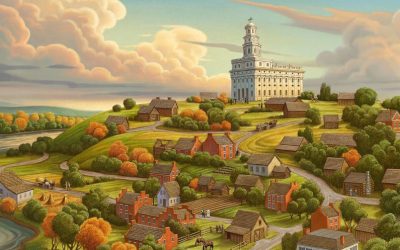
Judging History and People
The curriculum for gospel study this year is the Doctrine and Covenants. It is impossible to study the Doctrine and Covenants without studying church history. That can be problematic for some people who take issue with some things that happened in the past. If history...
Layers
When my family adopted a Siberian husky, a daily walk became part of my life. While the weather was warm, I enjoyed our jaunts in the park. But when the temperatures plummeted and the snow piled deep, I faced the walks with dread and usually returned home shivering. I...
Strapped
There are definitely some benefits to old age: Spending effort where it really matters, enjoying time with your grandkids, seeing your children overcome challenges and become the great people you hoped they would be. There are many other benefits I will tell you about...
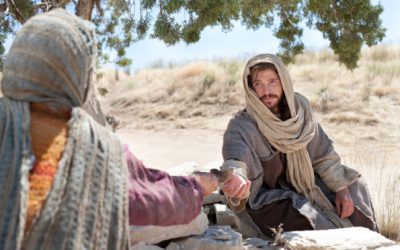
Peace in Christ
It has been a tough year. My opinion is that it’s been more difficult not being able to attend church regularly than I ever expected! I thought I would love not having to get ready for church meetings. I admit that holding sacrament meeting at home has been...
The Holy Ghost’s Whisperings Will Guide During Troubled Times
I was recently reminded of this miracle where I heard and felt the Holy Ghost's whisperings that I recorded in a journal entry. During the pandemic, I've especially continued to look for the hand of God in my life. This experience I recorded captures some of the...

Even If 2021 Is The Same As 2020, We Will Be OK.
It’s finally 2021! For many weeks people have been saying that they were looking forward to saying good riddance to 2020. And in a lot of ways, they have a point. But I think 2020 brought us a lot of gifts along with the challenges, and I’d like to discuss that....
Fear
My Fear Bucket List For various reasons, I knew some fears festered in my psyche so I created a Fear Bucket List and set out to conquer my fears. I jumped off cliffs, swam with sharks, tried scary-looking foods, did a hike I didn't think I could do, kept my nerve as I...
Christmas All the Year Through
Can we really sing glory to God in the middle of a pandemic? Discussing the birth of the Savior Jesus Christ and acknowledging appreciatively His life and mission among mankind seems natural this time of year, of course. But the carols we sing to the King last...
Better than Seeing: Seeking a Spiritual Witness of Christ
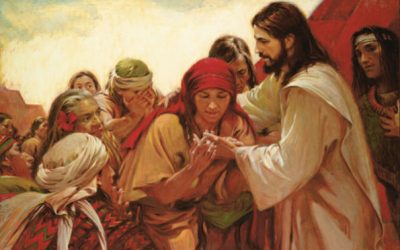
“Now when Jesus was risen early the first day of the week, . . . he appeared unto the eleven as they sat at meat, and upbraided them with their unbelief and hardness of heart, because they believed not them which had seen after he was risen” (Mark 16:9-14.) ...
Keeping Your Covenants And Values
I grew up in many towns in the Midwest and back East. They were all different, but they had one thing in common. I was the only one in my grade at school who was a member of the Church of Jesus Christ of Latter-day Saints. So I was the only one with my set of values....
All Things Are Given Them Which Are Expedient
Sudden honking overhead stopped me in my tracks as I scanned the sky to find the geese nearby. I turned and watched them fly by in cohesive motion, squawking amongst themselves as they headed to their evening resting place. Back at home, I watched a squirrel in the...
S’more
When I was a little boy, my family really enjoyed nature. Gratefully, we often found ourselves on father and son outings, involved with the Boy Scouts, or traveling the country in our tent trailer. Some of my best memories come from these days. I won't take time to...
Trusting God and Finding Peace
I have been participating in a healthcare survey about the effects of a worldwide pandemic on society as a whole. It has been interesting to see how the survey questions have changed over these many months. They started out asking questions about changed work...
The White Stocking
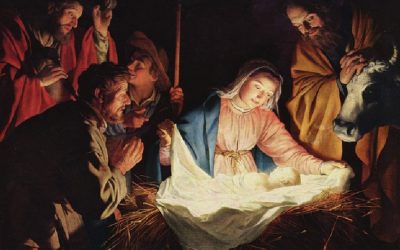
Christmas is only a few days away. I'm really beginning to feel the spirit of Christmas. The warm and joyful feeling in my heart is growing, and I love it. One of the things that has increased the feeling of love in our home is the White Stocking. You've got to...
Light and a Heavenly Host Praising God
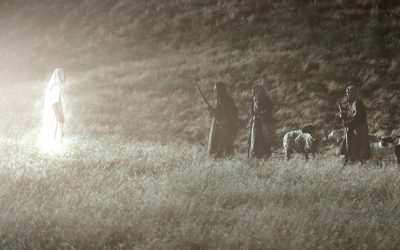
Can you see the sky filled with "the angel [and] a multitude of the heavenly host praising God, and saying, Glory to God in the highest, and on earth peace, good will toward men?" I imagine glorious light piercing the night sky as Heaven touched Earth. I wonder if I...
Jesus Christ: A Sacrifice Beyond Compare
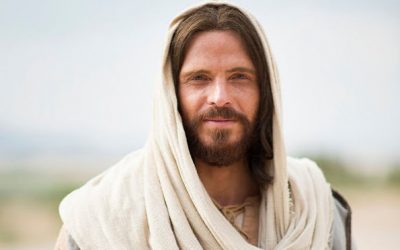
Looking back over the history of the world, we see one shining moment in history that changed the course of man forever. Before Jesus Christ came into the world, Adam and Eve were commanded: But of the tree of knowledge of good and evil, thou shalt not...
Grenades and Miracles
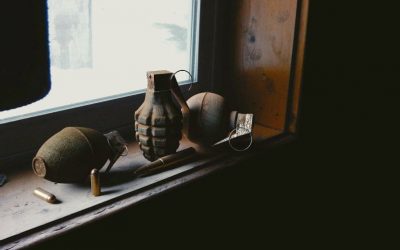
In 1997 I married an army man. Not just any army man, either, but a Spec Ops Airborne Ranger — one that I almost lost three times in the first year of our marriage. When I first met my husband, I didn’t really consider what being in an infantry unit of the...
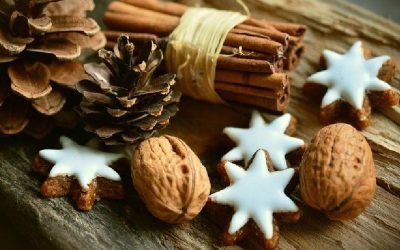
Creating Christmas 2020
With Covid here I have been pondering what Christmas can look like. We are creating new memories and new traditions that will change our future Christmas celebrations. In years past we have gathered and seen a majority of our extended family and many friends in the...
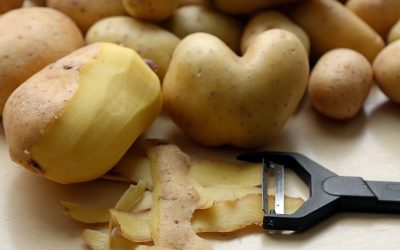
Nobody Rides For Free
As I finished peeling my second potato, I put it with the first and picked up another lovely brown russet potato. I began peeling. The first swipe on the potato revealed some dark bruises. I hadn't seen any indication that the potato was bruised at all. As I...
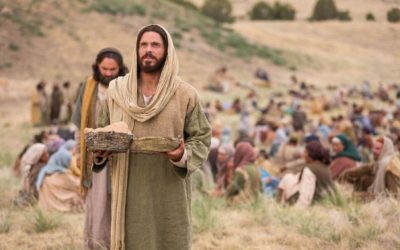
My Namesake
“What have you done with my name?” It’s a simple question, really. The story is told that when President George Albert Smith was ill, he had a dream where his deceased grandfather George A. Smith appeared to him and asked “I would like to know what you have...
Email Updates
Come Blog with Us!
